

Written by Charlotte Lock
Posted, 4th September 2025
Australia is on nearly every person’s bucket list – but when is the best time to visit Australia?
While it’s just one country, its huge size makes it span different climates, landscapes and seasons, which can make some regions more enjoyable to visit at different times of year.
While you could spend a lot of time soaking up the sun in Sydney in January, there’ll be other people in Darwin donning a jacket and trying to dodge showers.
In this guide, we’ll break down Australia’s seasons, explore the ideal months for each region, and help you plan your trip so you’re hitting the top spots for our bucket list at the best time of year.
📣 Quick answer: If you’re planning on visiting Australia top to tail, then spring (September to November) and autumn (March to May) are generally the best months to travel as they offer the most pleasant weather for exploring and prices and crowds aren’t as hectic as peak season.
Best Time To Visit Australia
Australia is pretty huge, meaning its climates can range pretty drastically across its regions. While it can definitely be considered a year-round destination, when you choose to go can make or break your experience.
Australia’s size and variety of landscapes mean that the country doesn’t really have one perfect season to visit every direction. Instead, different regions are at their best at different times of the year.
What is consistent is that you’ll always find something worth travelling for, whether that’s long sunny days on the coast, cooler conditions for challenging treks, or buzzing festivals in the cities. The best time to visit is more about choosing the right time for the kind of trip you want to have.
Just remember that the seasons are the opposite of ours up here in the Northern Hemisphere – summer falls between December and February, while winter runs from June to August. So, if you touch down in Australia for Christmas expecting snow and traditional festive vibes, you’ll be in for a big shock!
Here’s a quick breakdown of what you can expect across Australia throughout the year to help you plan:
- Dec-Feb: What are the most bleak months of the year in the UK are actually Australia’s hottest and busiest as December through to February are the summer months down under. In the south, it’s very hot and sunny, which can make for great beach days around Sydney, Melbourne and Perth; but with the school holidays in full swing, prime locations can be pretty hectic! In the north, it’s also very hot, but it’s also humid and pretty wet. Some pretty heavy rain is usually expected during these months, often with a chance of cyclones, meaning many flights are cancelled.
- Mar-May: Travelling between March and May is one of the best times to travel all around Australia as it’s a shoulder season, with some pretty pleasant weather as the south begins to cool from its blazing summer and the north dries up. It’s the perfect time of year to explore the Great Ocean Road and wine regions in the south and for hiking in the north without such high humidity.
- Jul-Aug: The winter months in southern Australia are a lot cooler and can be a bit rainy, but it’s usually never too drastic. Tasmania is often the chilliest region, occasionally seeing snow in the mountains. The north is a lot busier at this time of year as it continues to be dry, sunny and warm. If you’re planning on hitting the Great Barrier Reef, Kakadu or some of Australia’s other northern gems, the winter months are top contenders.
- Sep-Nov: The spring months bring another shoulder season with fewer crowds, cheaper prices and good weather. The south is mild and sunny, with all of nature starting to bloom. If you’re into nature, then the southern regions are definitely at their best in spring. The weather is also warm enough to start hitting the beaches before the summer crowds arrive. In the north, it’s still dry with manageable temperatures for exploring, but the humidity does start to rise quite a bit from the end of October as the wet season comes round again.
Overall, spring and autumn have the best weather for exploring Australia – not too hot and not too rainy. They’re also a lot less crowded, with fewer public events and holidays on that would draw more people to the coasts and attractions.
While the north is a lot drier over the winter months of July to August, the south is quite cold and wouldn’t let you live out your Bondi Beach dreams if that’s why you’re heading to Australia.
Summer is very very hot in Australia. If you’re a complete sun-worshipper, you’ll definitely be able to handle the heat, but if you’re set on exploring the highlights and spending lots of time outdoors, then we’d recommend sticking to the shoulder seasons when the weather is a bit more comfortable. Avoiding the summer months also helps you skip out on the crowds and peak prices!
Best Time To Visit Sydney
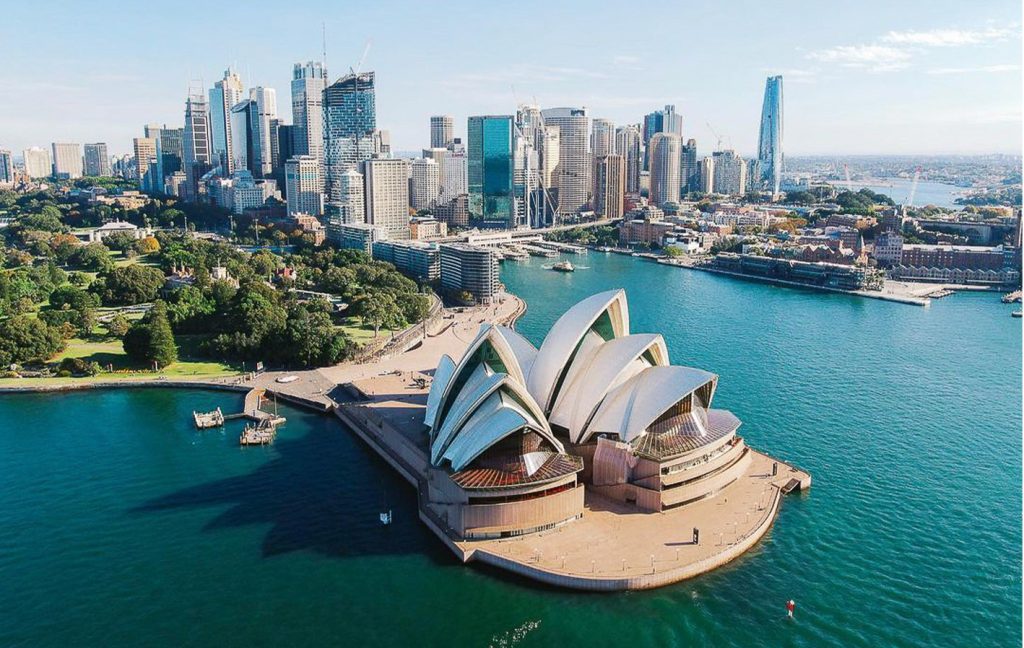
Sydney is one of those cities that you can visit pretty much all year round, but the best activities will change with the weather.
For example, summer is all about beach days, particularly at Bondi and Manly. The days are long, hot and full of life, but the peak holiday season can push prices through the roof!
Autumn (March to May) and Spring (September to November) are the sweet spot months for Sydney. The weather is still warm enough for the beach, and the city is a lot more relaxed. It’s a great time of year for walking along the coast, sightseeing, enjoying Sydney Harbour and enjoying the local food scene.
Winter never gets truly cold, but you’ll definitely feel the difference. It’s the quietest time for tourists, so if you’re set on skipping crowds, it’s a month to consider.
One advantage of travelling to Sydney between June and August is that it’s the best time for whale-watching along the coast, with several tours offered to get you up close.


Best Time To Visit Melbourne
Melbourne is another year-round city, but for the most comfortable weather and the best of city life, the shoulder seasons of autumn and spring are most ideal. These months bring fewer crowds, a more relaxed atmosphere and comfortable temperatures for exploring Melbourne’s outdoor attractions.
Spring can be particularly attractive for tourists as the gardens around the city start to bloom and events like the Melbourne Comedy Festival and Royal Melbourne Show begin.
If the Great Ocean Road is on your bucket list while in Melbourne, then early March to April is definitely the best time of year to go, as the weather is still warm from the summer but the trees have started changing, with vibrant orange and red leaves lining the roadways. The views are incredible!

Best Time To Visit the East Coast of Australia
The east coast is Australia’s most popular travel route, stretching from the tropical paradise of Cairns all the way down to Sydney and beyond. Because it covers such a big area, the “best time” to visit really depends on how much ground you plan to cover.
For most travellers, the sweet spot for travelling along the east coast is between September and November (spring time) and March to May (autumn).
These months bring warm, pleasant weather across most of the coast, making them ideal for beach days, surfing, and road trips.
Spring is the perfect time for enjoying nature by the coast as it begins to bloom, and also to catch the amazing humpback whales on their southbound migration between September and October, while autumn brings plenty of food and wine festivals to New South Wales and Queensland’s coasts.
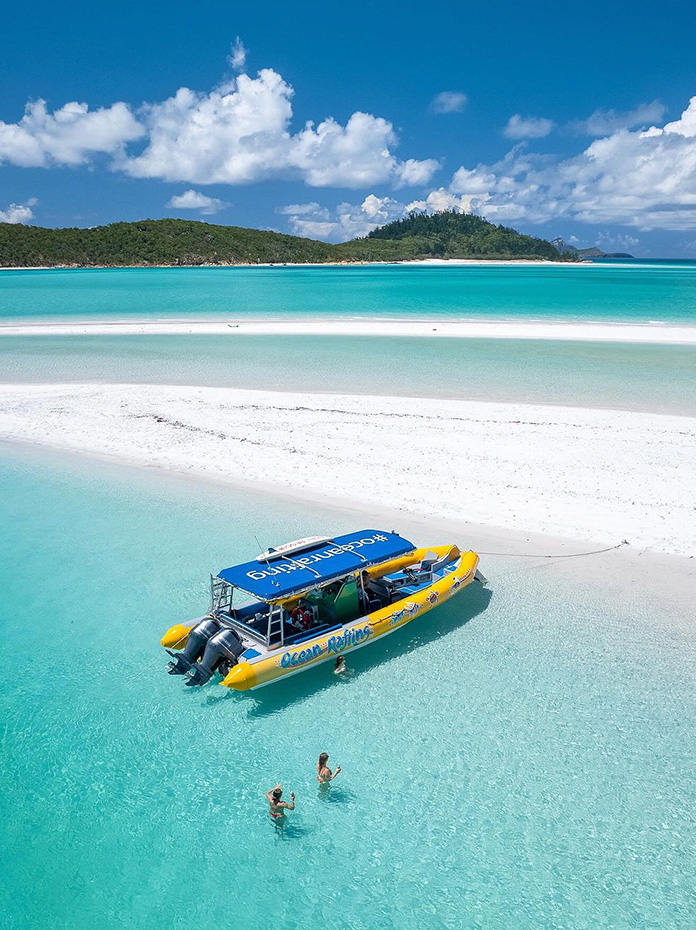
If you’re sticking to the northeast coast with your sights set on snorkelling and diving at the Great Barrier Reef, then you’re best visiting between May and October as this is the dry season, which will help to limit any sea disruptions.
Summer and winter are still ideal for travelling along the famous coast roads, but with the former comes huge crowds and high prices, and the latter offers not-so-perfect beach weather, so spring and autumn are definitely preferred by most travellers.
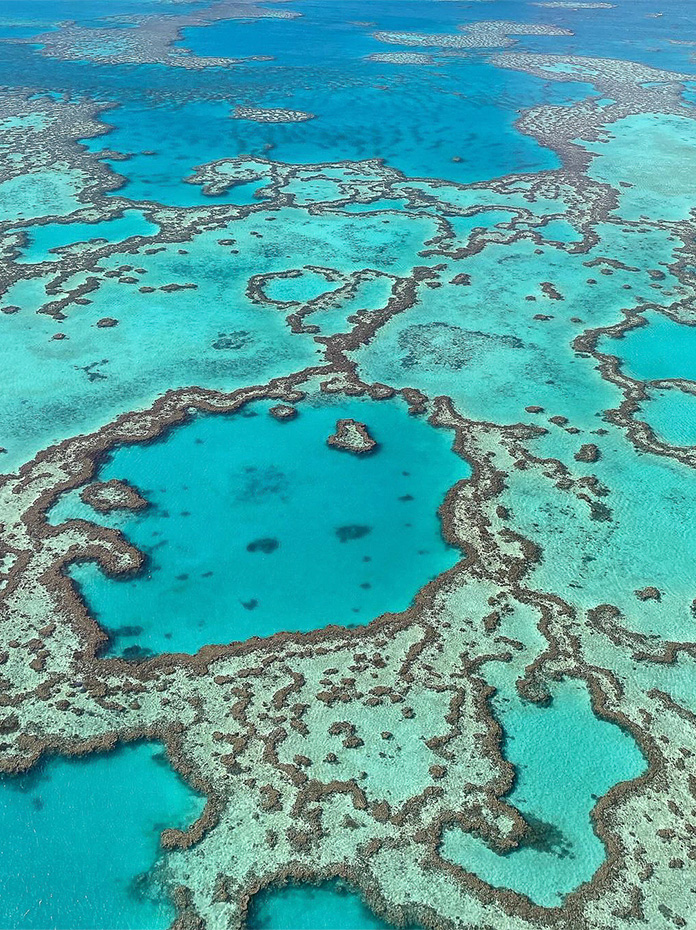
Best Time To Visit the West Coast of Australia
The west coast of Australia is a lot more wild than the east coast and is definitely not as well-travelled. With pristine beaches, beautiful ocean views and incredible open roads, you should definitely have the west coast on your bucket list if you like to go off the beaten track.
Since the west coast is a lot warmer than the east coast, the best time to visit extends from autumn through to spring, between April and September. During these months, the skies are blue and the temperatures aren’t too hot, making it perfect for outdoor exploring.
One of the biggest highlights of the west coast is Ningaloo Reef, where whale sharks freely swim side by side with humans. The best time of year for this is between April and July, with tours operating from many spots along the coast.
Unless you’re sticking close to Perth, summer is best avoided on the west coast as it is extremely hot and often too uncomfortable for travel. However, if you’re set on lounging on the beach under a parasol, then the west coast definitely has its appeal!
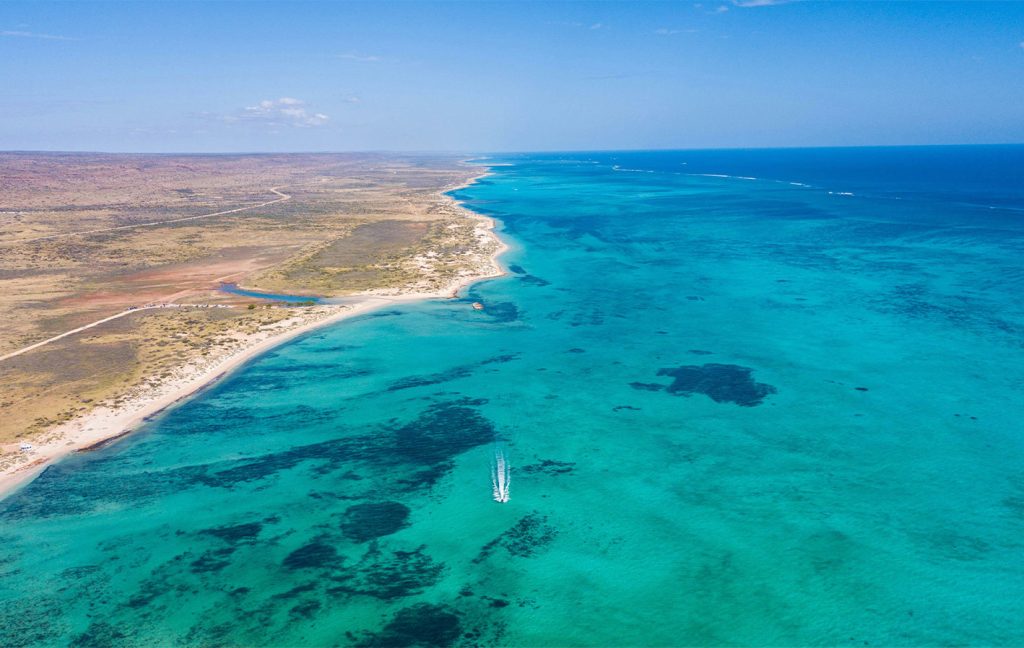


Best Time To Visit Australia Beaches
Spending time at the beach is usually at the top of every traveller’s bucket list when visiting Australia and with plenty of world-class shores along the eastern and southern coasts, you’re going to want to plan your trip well to enjoy them.
The summer is peak beach season as the weather is hot, sunny, and there’s often not a cloud in sight. However, this does make the top beaches very busy, and it can be hard to truly relax with so many people around.
Spring and autumn are also great for enjoying beaches in the south, as the weather is still very warm and there are a lot fewer crowds around. Remember: fewer crowds = cheaper prices too!
Beaches in regions like Queensland, the Northern Territory and Western Australia’s north coast are best enjoyed during the dry season (which typically falls between May and October). The water is clearer, the skies are sunny, and the humidity is a lot lower.
Since it can be so stormy, you’re generally best avoiding beaches in the north during the rest of the year. You’ll find that lots of the areas will have limited swimming anyway due to jellyfish coming close to shore.
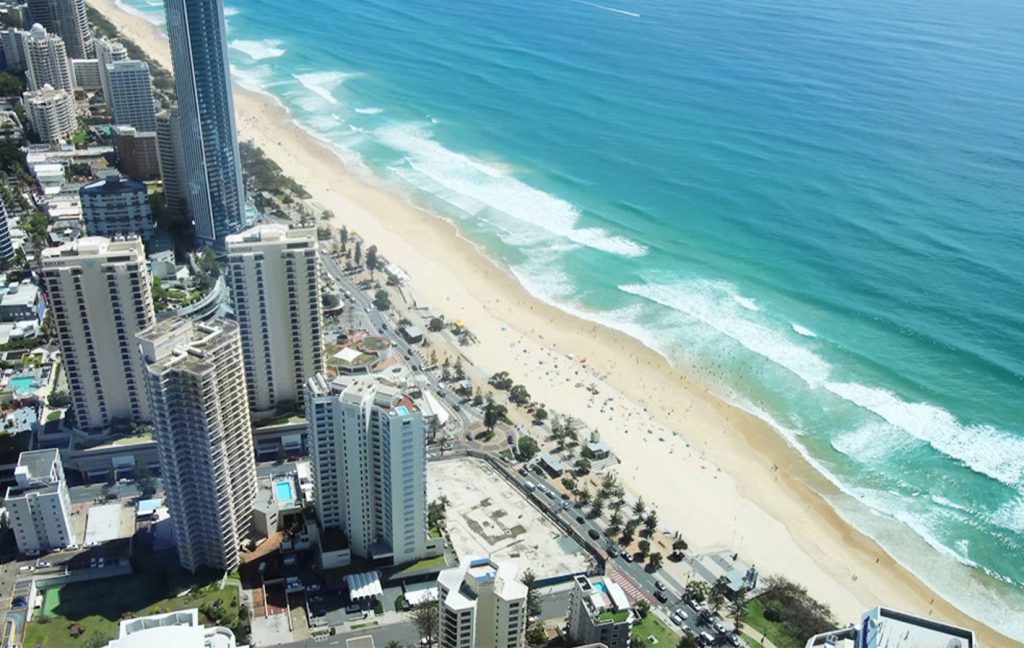
Best Time To Visit Australia Weather
Because of its size, Australia isn’t perfect everywhere all in one go. However, most travellers find that spring (September to November) and autumn (March to May) are the most comfortable times for travelling around the country.
These two shoulder seasons have milder temperatures, which are better for sightseeing and spending long days along the coast, but also bring fewer crowds, which can help keep accommodation and flight costs lower.
Summer (December to February) is hot and sunny in the south, which is great for beaches but because it’s peak tourist season, it can be hard to enjoy the local attractions and nature without a crowd. The cities can be particularly sticky from the heat during the summer and quite crowded since schools are out, but it’s certainly doable if you’re set on making the most of the warmest weather.
If you’re headed north during the summer, then you’ll definitely want to pack a rain jacket to deal with the wet season. Storms can be pretty heavy between November and March!
Winter (June to August) is cooler in the south but pretty pleasant in the north, making it ideal for exploring the outback and the more tropical regions of the island. But it’s not so great if you wanted, to spend some time sunbathing on Australia’s top beaches in the south.
As you can see, each season has its ups and downs – the best time to visit will really depend on where you’d like to go and what you’d like to do most!
Backpacking and Group Tours in Australia
Australia is a backpacker’s dream! With amazing beaches, incredible nightlife, endless thrill-seeker opportunities, and of course, much better weather, it’s no wonder more and more Brits are heading down under for months on end (and often never wanting to leave!).
Group tours, like the one we run here at Feel Free Travel, make it easy to explore the country’s highlights, jam-packing an itinerary with destinations like the Great Barrier Reef, Sydney, and the Whitsundays, without the stress of planning every detail.
Plus, joining a group tour is a great way to ensure you’ll make lifelong friends along the way! This makes our tours particularly popular with first-time solo travellers who just aren’t ready to take that leap on their own just yet.

Best Time To Visit Australia and New Zealand
Like Australia, New Zealand doesn’t really have a bad time to be visited, but there are definitely times of the year that are more enjoyable for travelling.
As it’s also in the southern hemisphere, New Zealand also has “backwards” seasons compared to the UK. The summer, which falls between December and February definitely brings the warmest and sunniest weather, but it’s also the busiest time for tourists.
Therefore, if you’re planning a trip to both Australia and New Zealand, then the spring (September to November) or autumn (March to May) is likely the best time of year to visit to make the most of the pleasant weather and fewer crowds. With mild temperatures and low humidity, you can sightsee in the cities, take on long hikes, road trip across the islands or go wildlife spotting with no issue in each country!
The winter months of June to August are ideal if you’re planning to stick to Australia’s north, where the dry season is in full swing. There, you can explore the Great Barrier Reef, go hiking in the national parks and marvel at Uluru with little threat of rain. You’ll want to pack some warmer clothes for the New Zealand leg of your trip however, or maybe even some snow trousers for skiing!
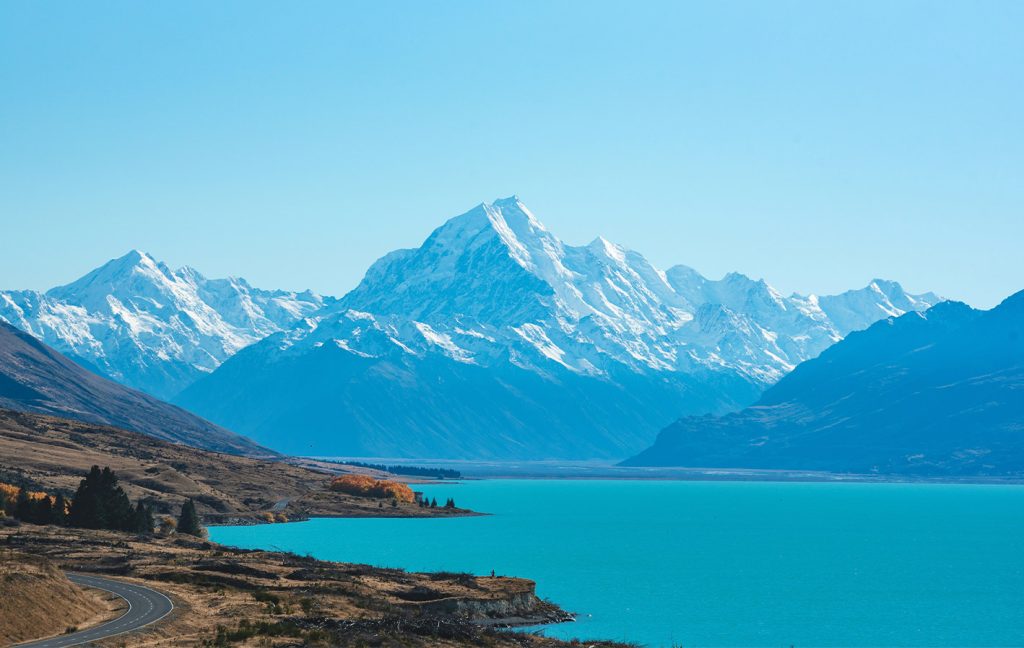
Cheapest Time To Visit Australia
If sticking to a tight budget is your priority, then the winter months of June to August are often considered the cheapest times to travel. During these periods, flights and accommodation are generally a lot less expensive, and tourist hotspots are also less crowded.
Visiting during the Australian winter may mean you encounter cooler temperatures in southern cities like Melbourne and Sydney, but the more tropical north is in its dry season.
This means you’ll have a good balance of pleasant weather and lower prices compared with peak season. Planning to travel in these months lets you enjoy Australia without the heavy price tags of the peak holiday season.

FAQs
Below are some common questions related to the best time to visit Australia, along with our expert answers to each question.
The best months to visit Australia are generally March to May (autumn) and September to November (spring). These shoulder seasons offer pleasant temperatures, fewer crowds, and ideal conditions for sightseeing and spending lots of time outdoors.
The hottest months in Australia are typically December, January, and February, which is the peak of summer. Temperatures soar in the south, especially in the cities, while northern regions experience hot, humid but pretty wet conditions due to the tropical rainy season.
The coldest month in Australia is typically July, which is the peak of winter. The biggest cities in the south like Melbourne and Sydney, have quite low temperatures, but it’s still not cold enough for snow. The northern region on the other hand is still pretty hot and not as humid as during the wet season, making it a decent month for spending up north.
The rainy season varies by region. In the north, the wet season runs between November and March, bringing pretty heavy rainfall and very high humidity. In the south, rain is more evenly spread throughout the year, though winter months do tend to have more showers.
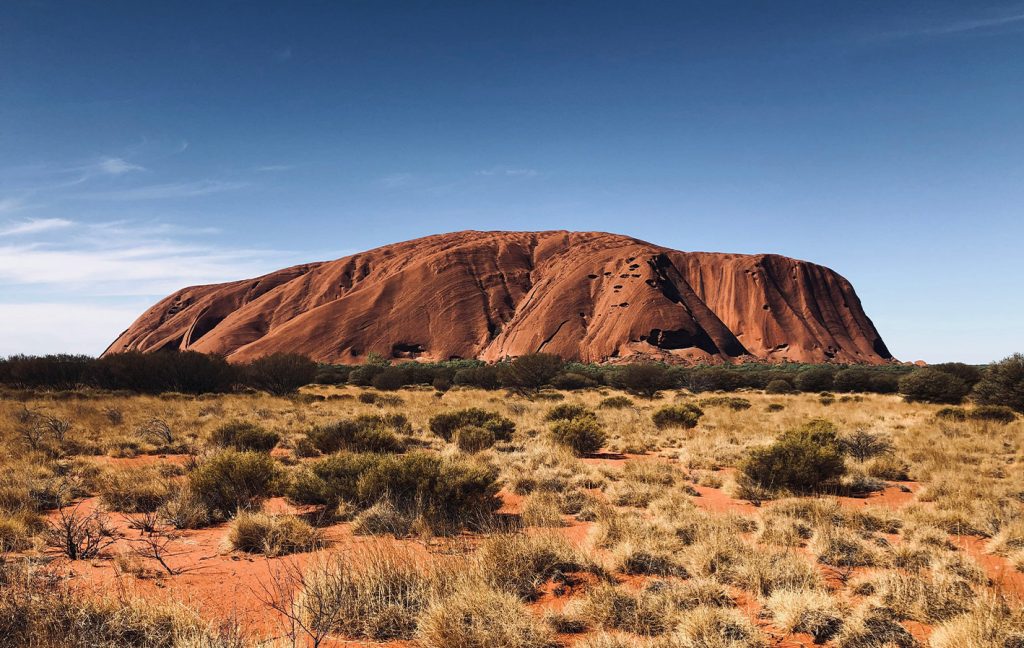
The best time to visit Uluru is when the weather is at its coolest since the park is located in one of the hottest regions of Australia. May to September is often regarded as the best time to visit Uluru as the temperatures are more comfortable for walking, allowing you to make the most of your visit to the landmark and the surrounding park.
Conclusion
There you have it, a complete guide on the best time to visit Australia!
Whether you’re hoping to snorkel the Great Barrier Reef, relax on world-famous beaches, or hike through the outback, there isn’t a single perfect time to explore the country. That said, spring and autumn definitely offer the most perks, with the most comfortable weather, fewer crowds, and cheaper prices.
If you’re focusing on the south and love sunny days, the summer months can be worth it, even though they’re busier and more expensive. Or if you’re set on the north then its driest and least humid in winter, allowing you to hike and explore without the heavy rain.
No matter when you choose to visit Australia, we wish you the adventure or a lifetime. To make your trip even easier and stress-free, why not consider joining a group tour and let us experts handle the planning while you enjoy every moment?
Whether you’re looking to travel solo or bring a friend along for the ride, our group tours in South East Asia & Australia are the perfect balance of culture, adventure, chill time & nightlife. You’ll arrive as strangers and leave as the best of friends.
Here are a few useful links to help with that planning;
👉🏼 View all Trips
👉🏼 Frequently Asked Questions
👉🏼 Check out our Reviews
👉🏼 Why choose us?
👉🏼 How does it all work?
If you’ve got any burning questions or just need a little travel inspo… jump in the DM’s with the team via either Whatsapp, Livechat or Instagram.